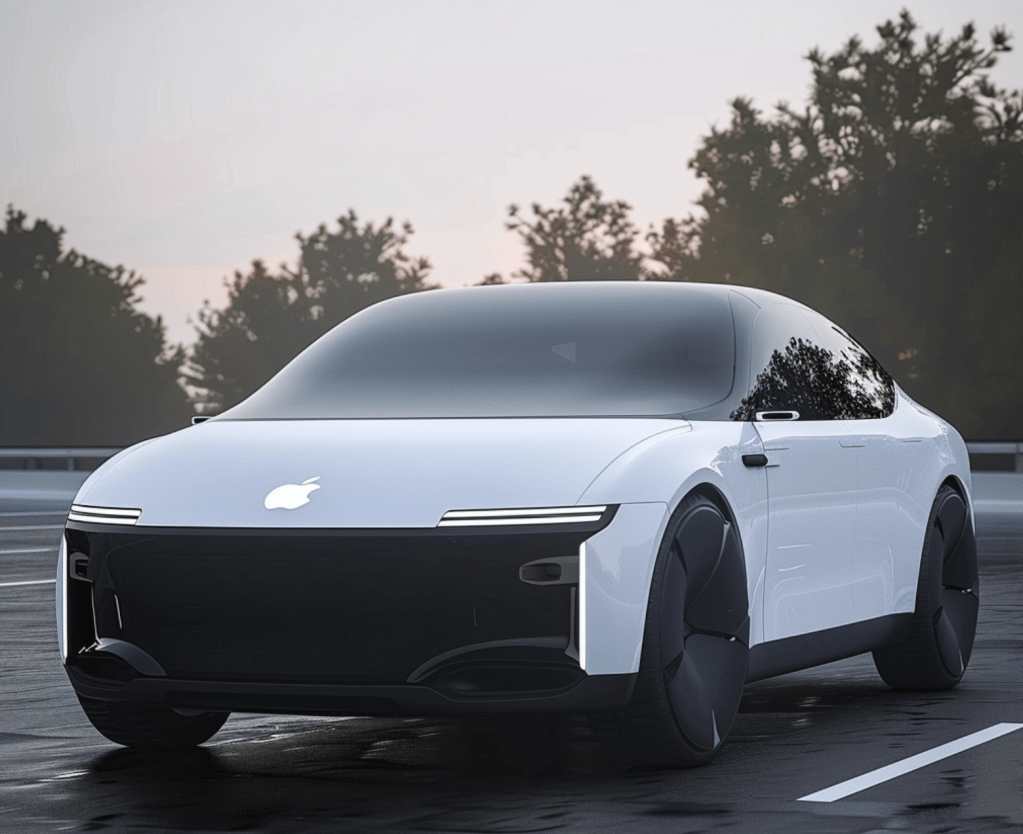
Apple’s ambitious electric car project, dubbed “Project Titan,” has come to a screeching halt after a decade-long endeavor. The company, known for its innovative technology and design, has reportedly shifted its focus away from manufacturing autonomous electric vehicles (EVs) to concentrate on generative AI efforts instead. This decision marks a significant departure from Apple’s foray into the automotive industry and underscores the challenges of venturing into new sectors.
Rumors surrounding Project Titan have circulated since 2015, with Apple assembling a formidable team to spearhead the development of its electric car. However, internal roadblocks, high turnover rates, and changing plans have plagued the project, culminating in its ultimate demise. Despite initial excitement and speculation about the Apple Car’s features and pricing, production challenges and concerns about profit margins have led to its cancellation.
While Apple’s pivot to generative AI aligns with its expertise in software and hardware development, the abandonment of its electric car initiative represents a significant setback. The move also reflects broader challenges within the EV industry, with companies grappling with slowing sales growth and persistent production hurdles.
In the midst of Apple’s exit from the EV space, other players, such as Sony and Honda, continue to pursue their electric and autonomous vehicle ambitions. The market for EVs remains dynamic, with companies striving to innovate and overcome obstacles to mass adoption.
Despite Apple’s retreat from the electric car market, its legacy of design innovation and technological prowess endures. While the dream of an Apple Car may have faded, the company’s commitment to pushing the boundaries of possibility remains unwavering.
Apple’s decision to halt its electric car project underscores the complexities of venturing into new industries, even for a company renowned for its design aesthetic and product innovation. Throughout its history, Apple has epitomized sleek, minimalist design and cutting-edge technology, revolutionizing industries from personal computing to mobile devices.
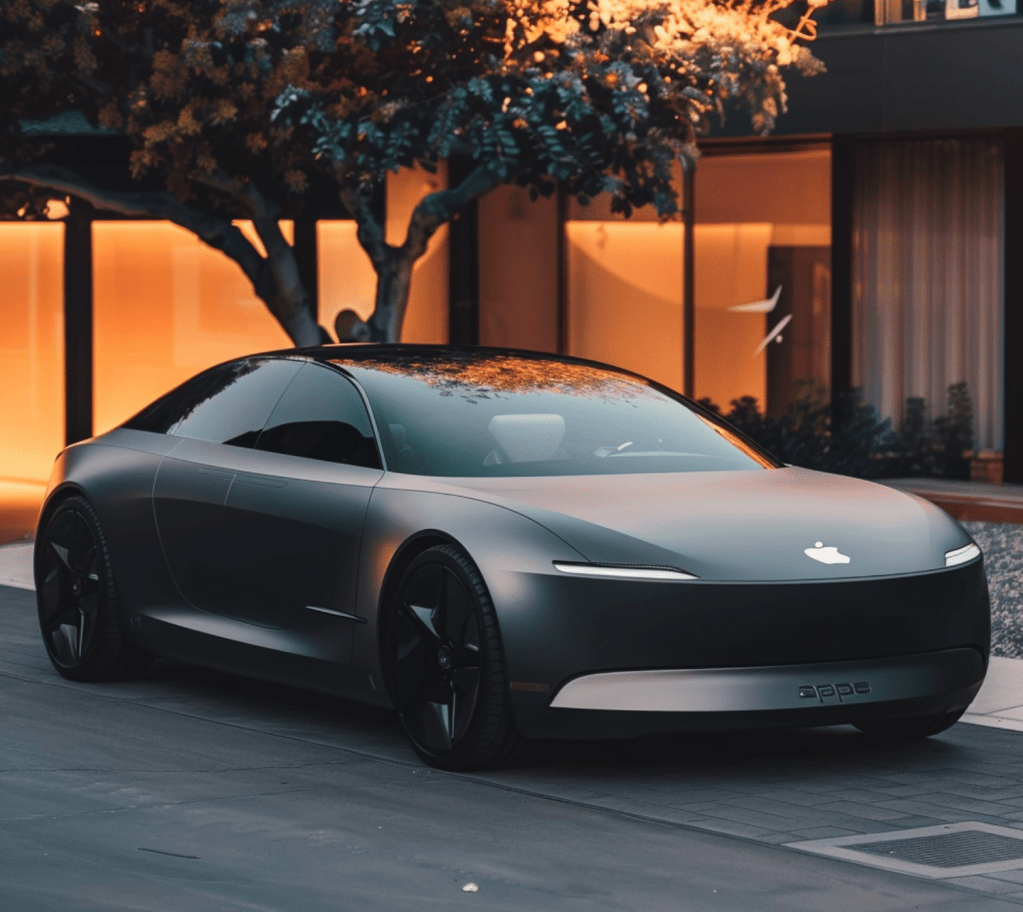
In the realm of automotive design, Apple’s approach would likely have emphasized simplicity, elegance, and seamless integration of technology. An autonomous Apple vehicle might have featured clean lines, intuitive interfaces, and advanced AI capabilities, reflecting the company’s commitment to user-centric design and technological excellence.
While the demise of the Apple Car marks a disappointment for enthusiasts and investors alike, it underscores the inherent challenges of translating design and innovation into tangible products, particularly in highly competitive and regulated industries like automotive manufacturing. Nevertheless, Apple’s legacy of pushing the boundaries of possibility endures, ensuring that its spirit of innovation continues to inspire future endeavors.
R.I.P., Apple Car, we hardly knew ye!

 GLOBAL GRAPHICA